
Blue Light Glasses for Eye Strain: What Helps, What’s Hype, and When They’re Worth It
Discover the truth about blue light glasses for eye strain. This guide separates science from hype, explaining how quality filtering lenses improve visual comfort and sleep hygiene in our screen-heavy world.
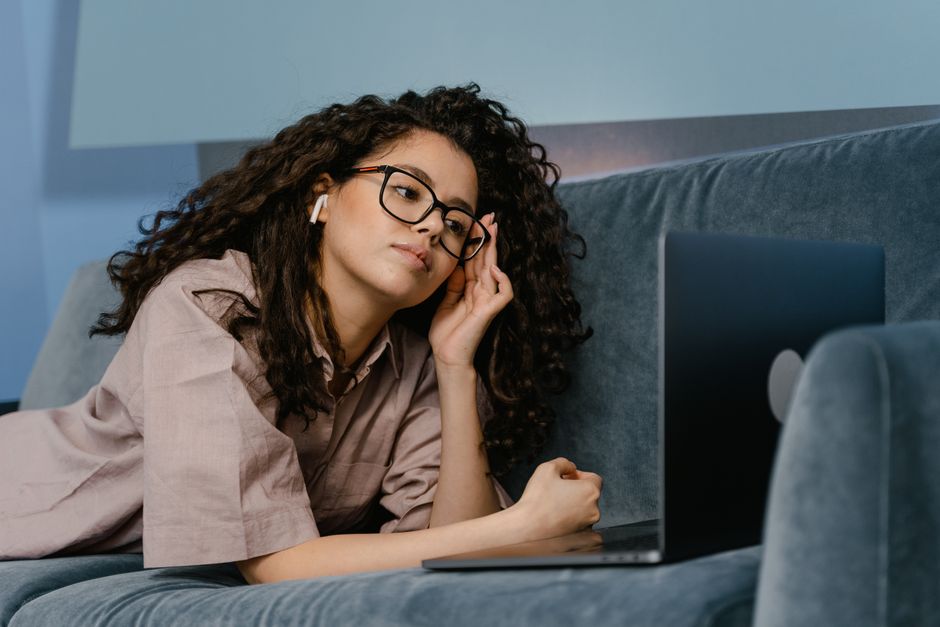
In 2026, as remote work and AI-integrated lifestyles dominate our daily routines, digital fatigue has become a universal complaint. Driven by this screen-heavy reality, the global market for blue light blocking eyewear is projected to reach $5.8 billion by 2034, according to Allied Market Research. But with so many products flooding the market, consumers are left wondering: do blue light glasses actually work?
The scientific consensus has shifted toward a nuanced "comfort and circadian" model. While major medical institutions maintain that screens do not cause permanent eye disease, there is robust evidence supporting the use of filtering lenses for sleep hygiene and visual comfort. This comprehensive guide explores the science behind blue light glasses for eye strain, separating the medical facts from the marketing hype.
What Are Blue Light Glasses?
Blue light glasses are specialized eyewear featuring lenses designed to filter or block high-energy visible (HEV) blue light emitted by digital screens, LED lighting, and the sun. By applying specific coatings or utilizing specialized lens materials, these glasses aim to reduce the amount of blue light that reaches the retina, thereby mitigating glare, improving visual contrast, and protecting the body's natural circadian rhythms during evening screen use.
The Science: What Helps vs. What’s Hype
Understanding the difference between permanent "eye damage" and temporary "eye strain" is critical for modern consumers evaluating blue light eyewear.
The Hype: Retinal Damage and "Marketing Scams"
There is no clinical evidence that the low-intensity blue light emitted by smartphones or laptops causes macular degeneration or permanent vision loss. According to ophthalmologist Dr. Hasnain Shikari (2026), the intensity of screen-emitted blue light is far below the threshold required to cause retinal harm.
Furthermore, many budget options on the market offer negligible benefits. Experts like Dr. Surbhi Joshi Kapadia (2025) have labeled generic blue light glasses a "marketing scam" because many low-end products only block 5–15% of blue light—a level insufficient for any clinical impact. As noted in The Times of India, "The price tag often pays for branding, not proven medical benefit. Quality matters in lens coatings."
The Help: Sleep Hygiene and Visual Comfort
Where blue light glasses truly excel is in circadian rhythm management and subjective visual comfort. Recent 2026 studies confirm that blue light filtering in the evening significantly reduces melatonin suppression.
A landmark study published in Scientific Reports (January 2026) found that "cool" white LEDs induce considerably greater melatonin suppression (12.3%) than "warm" sources. The researchers concluded that "evening residential illumination possesses the capacity to impair sleep quality via the suppression of endogenous melatonin production... blue-light–filtering (BLF) lenses represent beneficial strategies for ameliorating this effect."
Additionally, while not a medical cure, many users report significant subjective relief from harsh glare and improved contrast when using high-quality filtering lenses in bright office environments.
Understanding Digital Eye Strain (DES)
Digital Eye Strain (DES) is a cross-system condition arising from interactions between our visual physiology and digital displays. It is a growing epidemic; children aged 8–12 now spend an average of 4 to 6 hours per day on screens, while teenagers spend up to 9 hours.
DES is primarily caused by two factors:
Reduced Blink Rate: Staring at screens causes us to blink less frequently, leading to rapid tear evaporation and dry, irritated corneas.
Prolonged Near-Focus: Staring at a fixed, close distance for hours fatigues the ciliary muscles in the eyes.
As Dr. Kathleen Petro (2026) notes, "Most people don’t realize that their symptoms are often caused by something other than blue light itself," such as poor ergonomics and device misuse. A 2026 review in Dove Medical Press supports this, stating that interventions must align with these mechanisms, making a combination of ocular surface care and blue light filtering the most effective strategy.
When Are Blue Light Glasses Actually Worth It?
Blue light glasses are highly effective when utilized as part of a broader "eye hygiene" strategy. They are most beneficial in the following scenarios:
Evening Screen Use: Wearing them 2-3 hours before bed protects the natural production of melatonin, improving sleep onset latency and overall sleep quality.
High-Glare Environments: Users sensitive to the "flicker" or harshness of modern LED office lighting often find immediate relief from visual fatigue.
Presbyopic Users: For individuals over 40, combining magnification with filtering technology—such as blue light reading glasses—addresses both the ciliary muscle fatigue of near-focus work and the harsh glare of digital screens simultaneously.
Frequently Asked Questions About Blue Light Glasses
Do blue light blocking glasses actually work or is it a scam?
No, blue light glasses are not a scam, but their benefits are often misunderstood. While they do not prevent physical eye damage, high-quality blue light glasses actively reduce digital eye strain and improve sleep quality by filtering out the disruptive high-energy visible (HEV) blue light emitted by digital screens. For the best results, look for lenses like Scojo's BluLite, which have the filtering technology cast directly into the optical-grade lens material rather than just a cheap surface coating that easily rubs off.
Are blue light lenses worth the extra money?
Yes, blue light filtering lenses are highly worth the extra investment if you spend more than three to four hours a day looking at computers, smartphones, or television screens. By filtering out high-energy digital glare, they noticeably minimize screen-induced headaches, reduce eye fatigue, and prevent blue light from suppressing melatonin, helping you fall asleep easier after nighttime screen use.
Do I need special glasses if my eyes get tired at the computer?
Yes, if your eyes feel tired, dry, or strained during screen time, you will benefit significantly from computer-specific reading glasses equipped with blue-light filtering technology. These specialized glasses combine a mild magnification power optimized for mid-distance screen viewing with protective blue-light technology (such as Scojo's BluLite lenses) to dramatically ease eye muscle fatigue, reduce glare, and soothe digital eye strain.
Why Lens Quality Matters: The SCOJO New York Difference
Because generic lenses often fail to provide adequate filtering or visual clarity, upgrading to premium optical-grade eyewear is essential for actual relief. SCOJO New York has positioned itself as a leader in this space by engineering reading glasses with blue light filter technology that prioritizes both optical health and aesthetic design.
Unlike standard spherical lenses found in budget options, SCOJO's BluLite lenses utilize advanced aspheric technology. Aspheric lenses provide a slimmer profile and significantly reduce peripheral distortion, offering an extra measure of visual clarity that prevents the very eye strain users are trying to avoid.
Furthermore, a common complaint cited in the Cochrane Review regarding generic glasses is physical "discomfort wearing the glasses." SCOJO addresses this by utilizing premium materials like handcrafted acetate and TR-90 (a durable, flexible thermoplastic) in fashion-forward frames like the Greys and Arial, ensuring lightweight, all-day comfort for professionals.
Summary: Realistic Expectations for Consumers
To make an informed decision, consumers must separate the proven benefits of blue light eyewear from outdated marketing claims.
Feature | Real Benefit (The Help) | The Myth (The Hype) |
|---|---|---|
Eye Health | Reduces subjective visual fatigue and harsh screen glare. | Prevents blindness or macular degeneration. |
Sleep Quality | Helps maintain natural melatonin levels during evening screen use. | Acts as a guaranteed cure for clinical insomnia. |
Lens Quality | Premium aspheric lenses provide better clarity and less distortion. | All blue light lenses block the same amount of light. |
Usage Strategy | Best utilized for evening scrolling and long, high-glare work sessions. | Must be worn 24/7 to ensure ocular safety. |
Conclusion
If you are experiencing headaches, dry eyes, or disrupted sleep after long days at the computer, blue light glasses for eye strain are a scientifically backed tool for improving your digital comfort—provided you choose the right pair. While they won't cure underlying vision issues or prevent retinal disease, high-quality blue light reading glasses offer a tangible defense against the glare and circadian disruption of our modern, screen-centric world. By investing in optical-grade lenses and practicing good screen ergonomics, you can effectively manage digital eye fatigue and protect your sleep hygiene.